
-
PC-CFRP-CF
Vendor:FilamentHubRegular price $38.99 AUDRegular priceUnit price perinc GSTSale price $38.99 AUD -
PC PBT Black
Vendor:FilamentHubRegular price $49.99 AUDRegular priceUnit price perinc GSTSale price $49.99 AUD
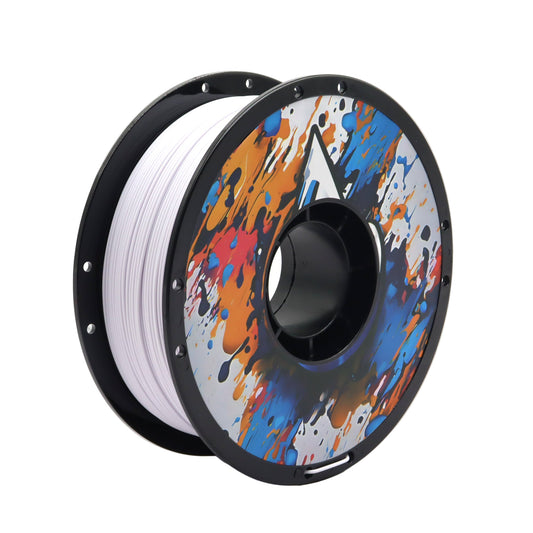
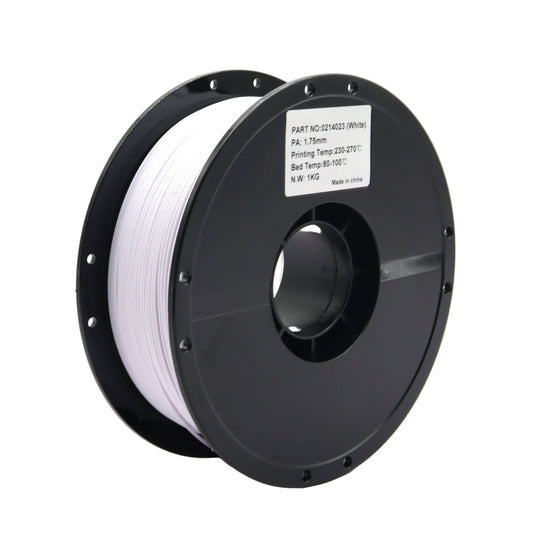


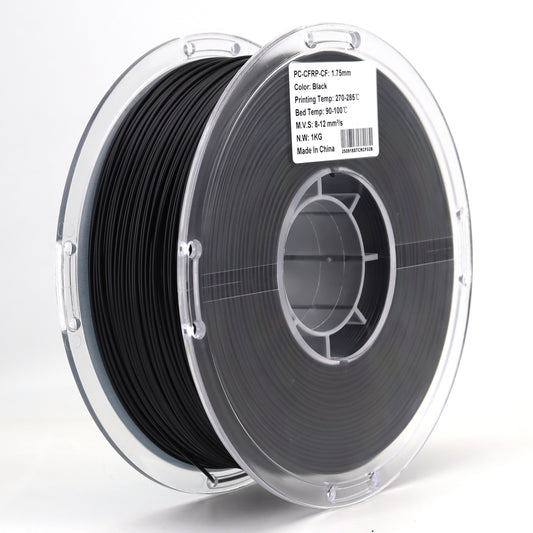


Technical Specifications: The Polycarbonate Advantage
Polycarbonate prints at nozzle temperatures between 260°C and 300°C, which places it above the capability of most standard hotends. A high-temperature all-metal hotend is required, along with an enclosed print chamber to prevent warping during cooling. The bed should be set between 90°C and 110°C with a PEI sheet or PC-compatible adhesive applied to the surface.
The material is hygroscopic and must be dried before use. Moisture in the filament causes bubbling, delamination, and a significant reduction in the clarity and impact strength of the finished part. Dry PC at 70°C to 80°C for four to six hours before printing.
Selecting the Right Grade: Pure PC vs Advanced Blends
Pure polycarbonate delivers the highest heat deflection temperature and optical clarity, making it the correct choice for transparent enclosures, light pipes, and parts that must remain rigid above 100°C. For applications combining heat resistance with UV stability, ASA CF filament offers a weathering-resistant alternative for outdoor structural components. For high-strength applications where printability matters more than extreme heat tolerance, ABS filament provides a more forgiving material with similar impact resistance at lower print temperatures. The full range of high-performance materials is available in the engineering filament collection. To compare 3D printer filament types side by side across heat resistance, strength, and ease of printing, the FilamentHub comparison tool covers every material in the range.
Overcoming Industrial Polycarbonate Printing Challenges
Warping is the primary challenge with polycarbonate. PC contracts significantly as it cools, which causes corner lifting on larger parts printed without an enclosure. An enclosed print chamber maintains ambient air temperature around the print and reduces the thermal gradient between layers, which is the root cause of warping in high-temperature materials.
Thermal crystallisation can occur in PC at temperatures just below its glass transition point, causing the material to become cloudy or hazy in transparent applications. To preserve optical clarity, cool the print quickly after removing it from the build plate and avoid exposing it to temperatures between 80°C and 100°C for extended periods. For parts where clarity is not required, this is not a concern.
First-layer adhesion is critical for polycarbonate. PC bonds aggressively to some surfaces, which can make removal difficult. A PEI sheet combined with a light release agent gives reliable adhesion during printing and a clean release once the bed cools. Avoid printing directly onto bare glass without an adhesive layer.
The FilamentHub Difference: Direct Local Supply
FilamentHub supplies polycarbonate filament directly to Australian customers at premium trade rates without the retail markup. Lower operational overheads mean the savings are passed on to hobbyists and businesses purchasing in any quantity. Stock is held at the Harrington Park, NSW warehouse with flexible 24/7 pickup by arrangement. Customers have direct access to an on-shore 3D printing expert via SMS for technical questions about PC print settings, enclosure requirements, and material selection. Visit FilamentHub to view the full polycarbonate range or Contact Us to discuss your project requirements before ordering.