
-
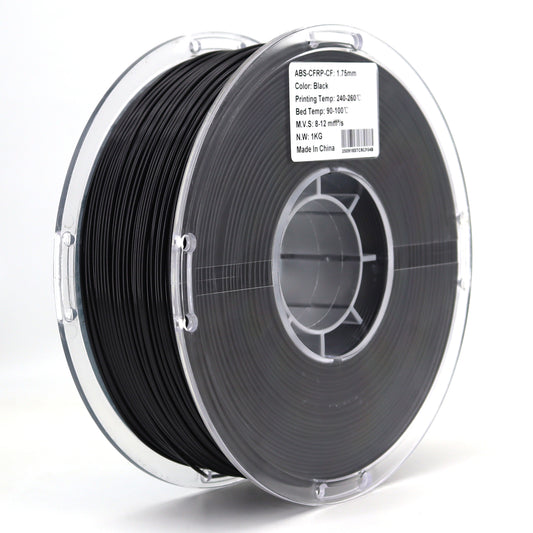
ABS-CFRP-CF
Vendor:FilamentHubRegular price $29.99 AUDRegular priceUnit price perinc GSTSale price $29.99 AUD -
 New Coming Soon
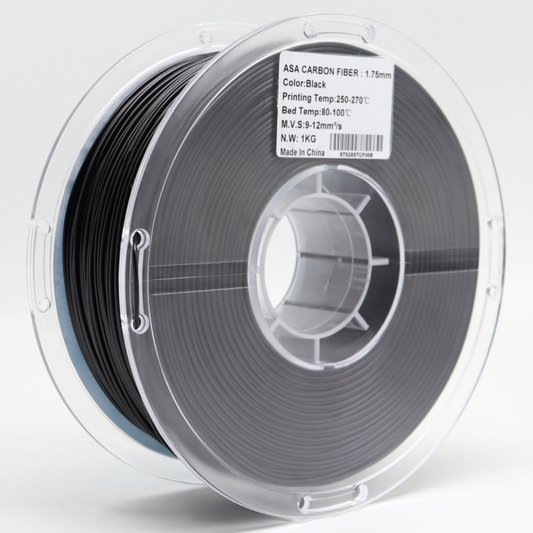
ASA-CFRP-CF Black
Vendor:FilamentHubRegular price $34.99 AUDRegular priceUnit price perinc GSTSale price $34.99 AUD -
New Coming Soon
ASA-CFRP-CF Blue
Vendor:FilamentHubRegular price $34.99 AUDRegular priceUnit price perinc GSTSale price $34.99 AUD -
New Coming Soon
ASA-CFRP-CF Red
Vendor:FilamentHubRegular price $34.99 AUDRegular priceUnit price perinc GSTSale price $34.99 AUD -
New Coming Soon
ASA-CFRP-CF Yellow
Vendor:FilamentHubRegular price $34.99 AUDRegular priceUnit price perinc GSTSale price $34.99 AUD -
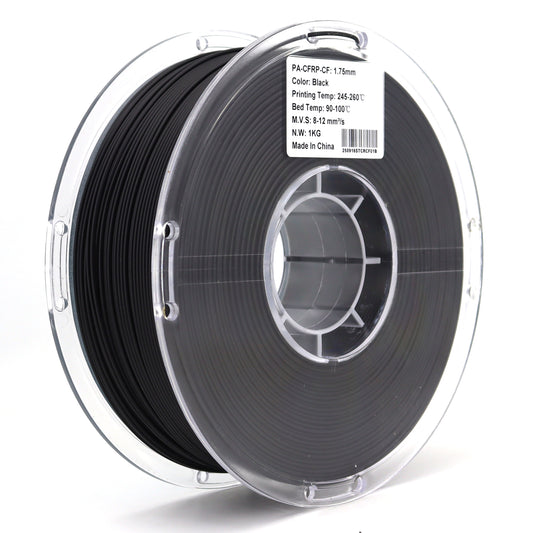
PA-CFRP-CF
Vendor:FilamentHubRegular price $38.99 AUDRegular priceUnit price perinc GSTSale price $38.99 AUD -
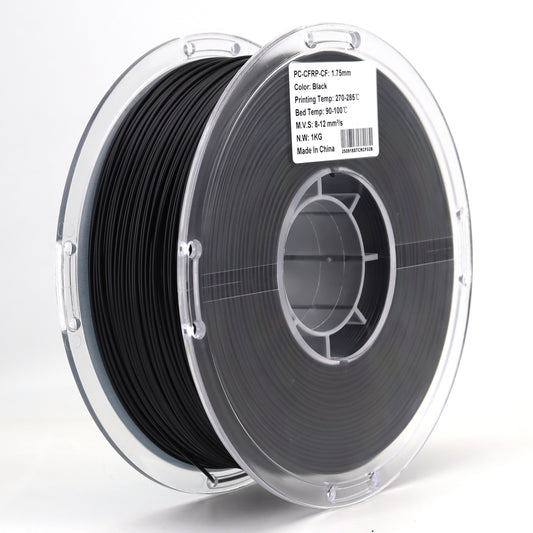
PC-CFRP-CF
Vendor:FilamentHubRegular price $38.99 AUDRegular priceUnit price perinc GSTSale price $38.99 AUD -
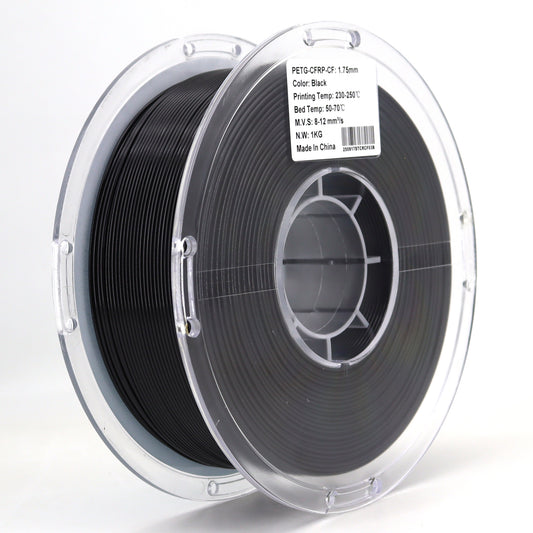
PETG-CFRP-CF
Vendor:FilamentHubRegular price $29.99 AUDRegular priceUnit price perinc GSTSale price $29.99 AUD -
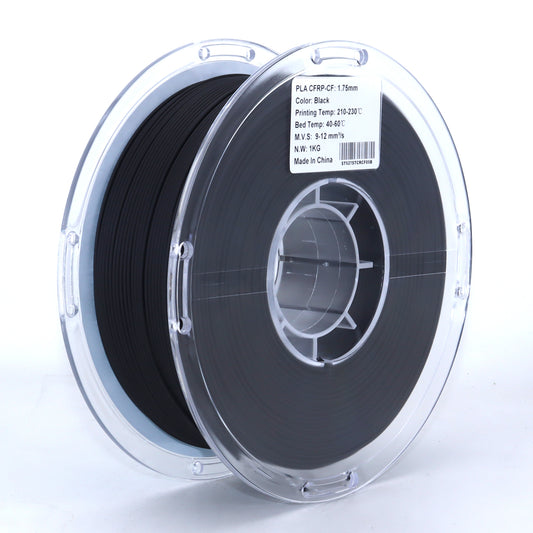
PLA-CFRP-CF
Vendor:FilamentHubRegular price $24.99 AUDRegular priceUnit price perinc GSTSale price $24.99 AUD -
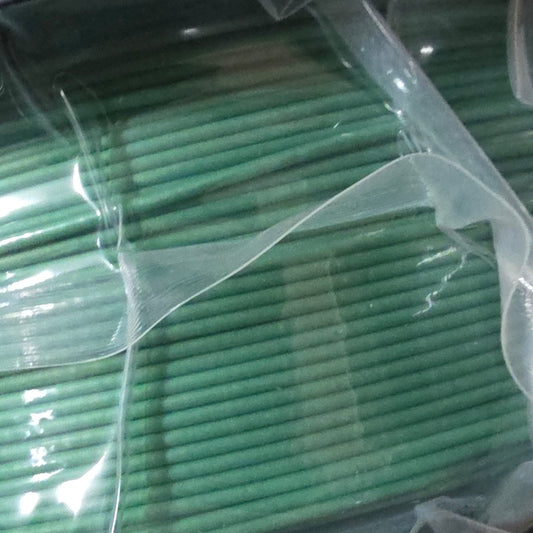
PLA-CFRP-CF Green
Vendor:FilamentHubRegular price $24.99 AUDRegular priceUnit price per$24.99 AUD inc GSTSale price $24.99 AUD -
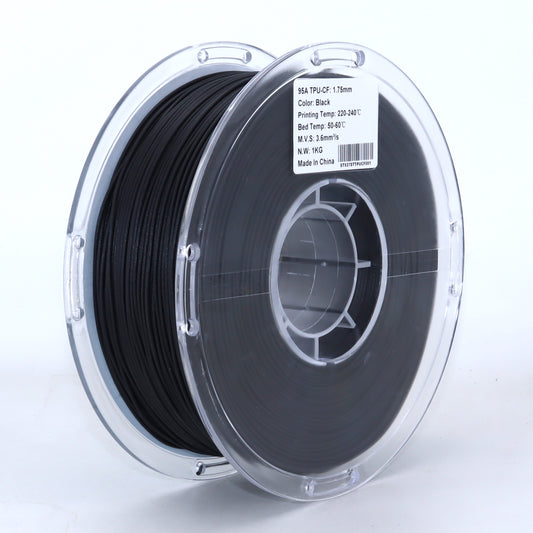
TPU-CF 95a - Black
Vendor:FilamentHubRegular price $42.99 AUDRegular priceUnit price perinc GSTSale price $42.99 AUD










Key Properties
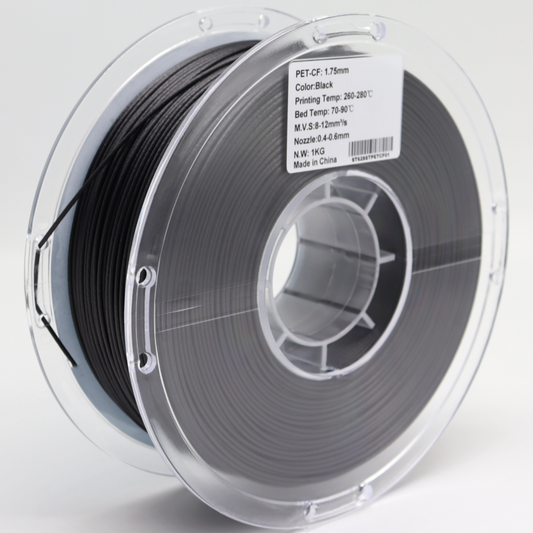
Polycarbonate. The result is a filament with significantly higher stiffness, better dimensional stability, and a refined matte surface finish compared to standard materials. FilamentHub supplies carbon fibre filament across Australia at trade-level pricing from $24.99 AUD, with same-day dispatch and 24/7 local pickup at Harrington Park, NSW.
The Carbon Fibre Advantage
Adding carbon fibre to a polymer base changes its mechanical behaviour in two primary ways. First, the material becomes noticeably stiffer under load, resisting flex in ways that standard PLA or PETG cannot. Second, the fibre reinforcement reduces the amount a part shrinks as it cools, which means large prints and precision-fit components hold their dimensions more reliably from the first layer to the last.
The surface finish produced by carbon fibre filament is a secondary benefit that often matters as much as the structural performance. The fine carbon particles scatter light across a matte, textured surface, reducing visible layer lines without sanding or post-processing. Parts come off the build plate looking machined rather than printed.
Choosing Your Base: From PLA CF to Advanced Composites
PLA CF is the entry point for carbon-reinforced printing. It combines PLA’s easy print conditions with a meaningful increase in stiffness and a clean matte finish, making it practical for brackets, jigs, and display models that need to look and feel more substantial. PETG CF adds impact resistance and moisture tolerance to the carbon fibre profile, making it well suited to functional enclosures, automotive interior parts, and components exposed to humidity. ABS CF raises the heat ceiling further, while Nylon CF and PC CF deliver the highest combined strength and thermal performance in the range. PC CF in particular handles temperatures above 130°C under continuous load, placing it in the same tier as injection-moulded engineering plastics. For the full selection of high-performance materials, browse the engineering filament range or explore PC-PBT filament for blended polycarbonate performance. For maximum rigidity and thermal tolerance in a single material, PC-CF filament represents the top of the FilamentHub carbon composite catalogue.
Overcoming Carbon Fibre Printing Challenges
Carbon fibre filament requires a hardened steel nozzle. The abrasive nature of the chopped fibres will wear through a standard brass nozzle within a few hours of printing, widening the aperture and degrading print accuracy over time. A hardened steel or ruby-tipped nozzle is a one-time upgrade that protects the hotend across all CF variants.
Like most engineering-grade filaments, carbon fibre materials are hygroscopic and absorb moisture from the air when left unsealed. Damp filament produces surface bubbling, nozzle popping, and weakened layer bonds. Store open spools in airtight containers with desiccant and dry at the recommended temperature before starting a critical print. The filament drying guide covers drying temperatures and times for each material type.
The FilamentHub Trade Advantage
FilamentHub operates with lower overheads than traditional retail, which translates directly into pricing. Carbon fibre filament starts at $24.99 AUD per spool, with trade rates available across the full range. Stock is held locally at the Harrington Park, NSW warehouse and available for pickup seven days a week at any time by arrangement. There is no automated support queue. Customers can reach an on-shore 3D printing expert directly via SMS for technical questions about print settings, nozzle selection, or material comparisons. Visit FilamentHub to browse the full carbon fibre range or Contact Us to arrange a pickup or get advice before ordering.