
-

 Sale
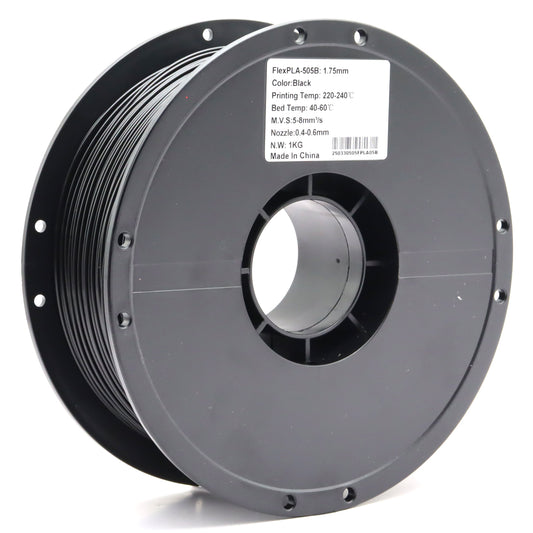
FPLA Pro - Black
Vendor:FilamentHubRegular price $44.99 AUDRegular priceUnit price per$47.99 AUD inc GSTSale price $44.99 AUDSale -
FPLA Pro - Blue
Vendor:FilamentHubRegular price $44.99 AUDRegular priceUnit price perinc GSTSale price $44.99 AUD -
FPLA Pro - Brown
Vendor:FilamentHubRegular price $44.99 AUDRegular priceUnit price perinc GSTSale price $44.99 AUD -

 Preorder
FPLA Pro - Orange
Vendor:FilamentHubRegular price $44.99 AUDRegular priceUnit price perinc GSTSale price $44.99 AUDPreorder -

 Sale
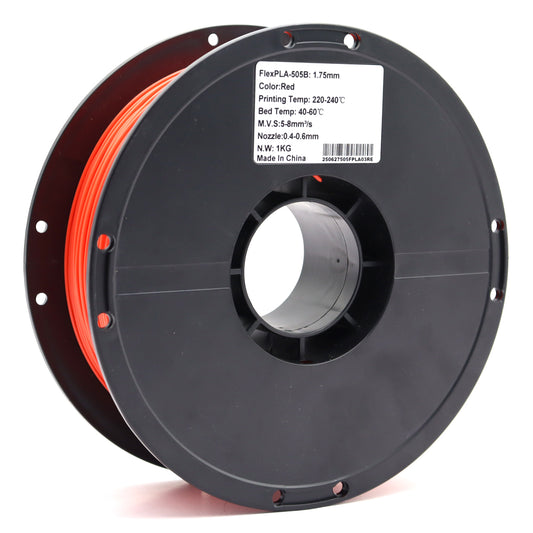
FPLA Pro - Red
Vendor:FilamentHubRegular price $44.99 AUDRegular priceUnit price per$47.99 AUD inc GSTSale price $44.99 AUDSale -

 Sale
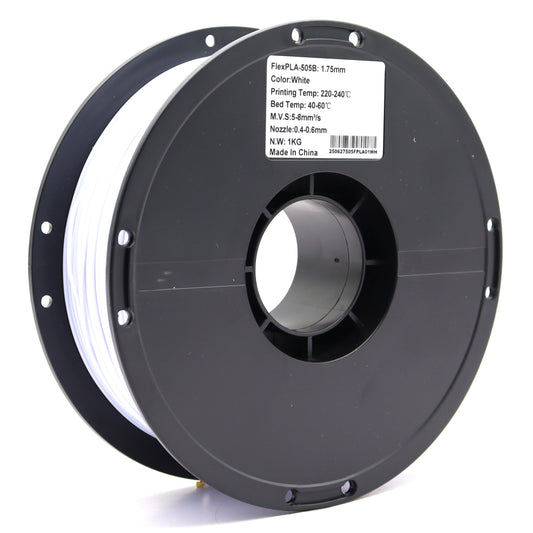
FPLA Pro - White
Vendor:FilamentHubRegular price $44.99 AUDRegular priceUnit price per$47.99 AUD inc GSTSale price $44.99 AUDSale -
 Preorder
FPLA Pro - Yellow
Vendor:FilamentHubRegular price $44.99 AUDRegular priceUnit price perinc GSTSale price $44.99 AUDPreorder -

 Preorder
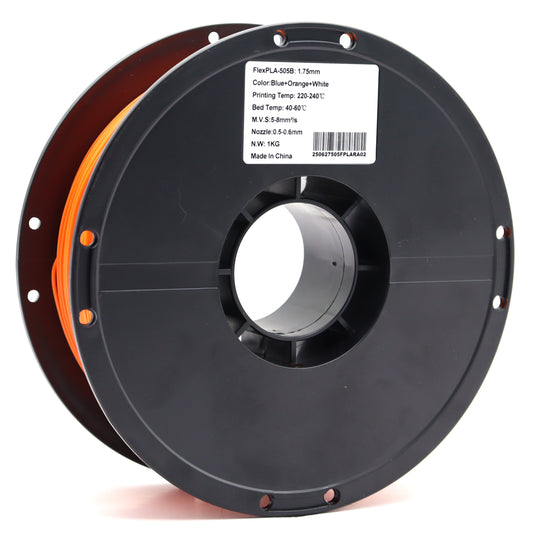
FPLA Rainbow - Blue / Orange / White
Vendor:FilamentHubRegular price $44.99 AUDRegular priceUnit price perinc GSTSale price $44.99 AUDPreorder -

 Preorder
FPLA Rainbow - Red / Purple / White
Vendor:FilamentHubRegular price $44.99 AUDRegular priceUnit price perinc GSTSale price $44.99 AUDPreorder -
FPLA Rainbow - Yellow / Orange / White
Vendor:FilamentHubRegular price $44.99 AUDRegular priceUnit price perinc GSTSale price $44.99 AUDPreorder


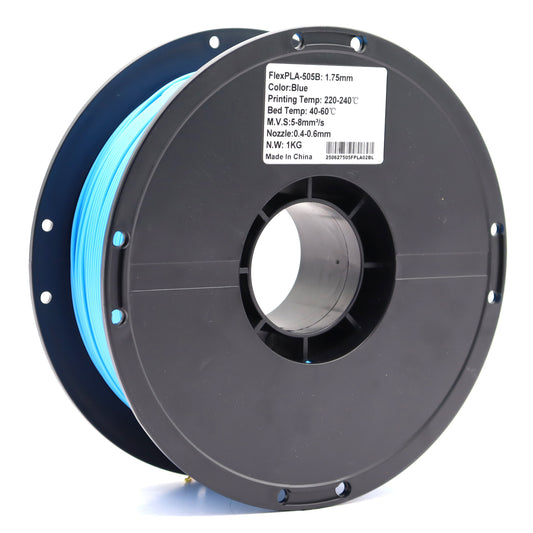


Why Choose FPLA?
This sits between standard PLA and TPU rather than replacing either. You get real flex and impact resistance, but the part still springs back to its original shape instead of staying soft or floppy like TPU.
- High resilience, the part returns to shape after flexing or impact
- More impact resistant than standard PLA without TPU's softness
- Prints as easily as standard PLA, no special hardware needed
- Ten colours to choose from, seven solid and three rainbow gradients
Tested: An Airless Basketball
The best proof of what FPLA can do is the airless basketball we printed with it. We compared it directly against a real ball, and the weight ratio and bounce height matched almost exactly. That is a genuinely demanding test, an airless basketball needs to flex, absorb impact and spring back thousands of times without losing its shape, and FPLA held up.
If a filament can do that, it will handle most other high resilience jobs without trouble.
What Prints Suit FPLA Best?
This one earns its keep on anything that needs to flex, bounce or absorb impact and keep its shape:
- Airless sports balls and sporting goods
- Durable toys and consumer products
- Shock absorbing components
- Functional parts that see repeated impact or flex
Printer Compatibility
Our 1.75mm FPLA prints as easily as standard PLA on any FDM printer, including Bambu Lab, Prusa, Creality and Anycubic machines. No enclosure or special nozzle required.
Explore More Flexible Options
Looking for something softer? ShoeFlex 9075A is built for wearable, ultra flexible prints. For high strength engineering applications, browse the engineering filament range, or explore the full PLA range for standard colours.
All FPLA filament ships fast from our Sydney warehouse, with quick processing and reliable Australia-wide delivery.