
-

 Preorder
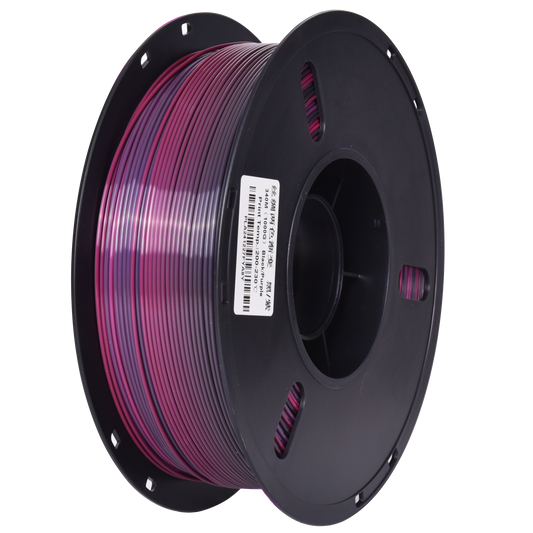
PLA Silk Rainbow - Black / Purple
Vendor:Supplier 3Regular price $24.99 AUDRegular priceUnit price perinc GSTSale price $24.99 AUDPreorder -
PLA Silk Rainbow - Blue
Vendor:Supplier 3Regular price $24.99 AUDRegular priceUnit price perinc GSTSale price $24.99 AUD -
PLA Silk Rainbow - Blue-Red
Vendor:Supplier 3Regular price $24.99 AUDRegular priceUnit price perinc GSTSale price $24.99 AUD -

 Preorder
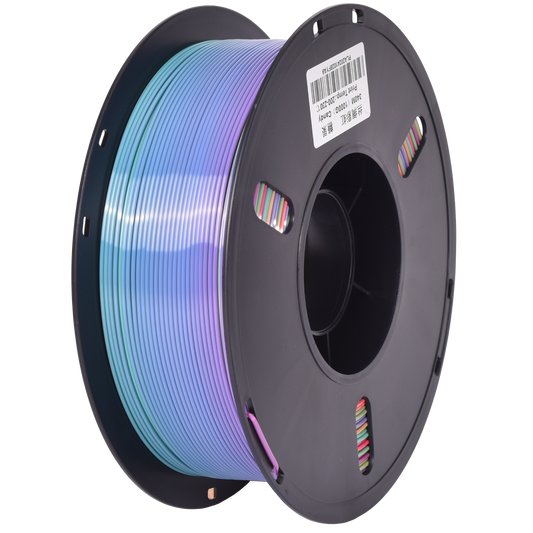
PLA Silk Rainbow - Candy
Vendor:Supplier 3Regular price $24.99 AUDRegular priceUnit price perinc GSTSale price $24.99 AUDPreorder -
 Preorder
PLA Silk Rainbow - Fairy Tales
Vendor:Supplier 3Regular price $24.99 AUDRegular priceUnit price perinc GSTSale price $24.99 AUDPreorder -
PLA Silk Rainbow - Fast Change
Vendor:FilamentHubRegular price $23.99 AUDRegular priceUnit price perinc GSTSale price $23.99 AUD -

 Preorder
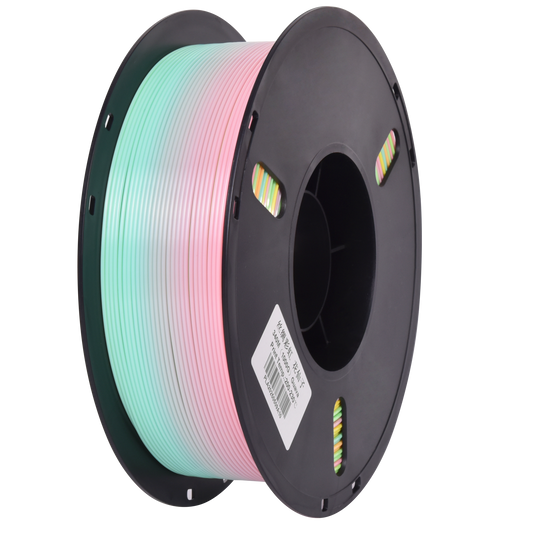
PLA Silk Rainbow - Flower Fairy
Vendor:Supplier 3Regular price $24.99 AUDRegular priceUnit price perinc GSTSale price $24.99 AUDPreorder -

 Preorder
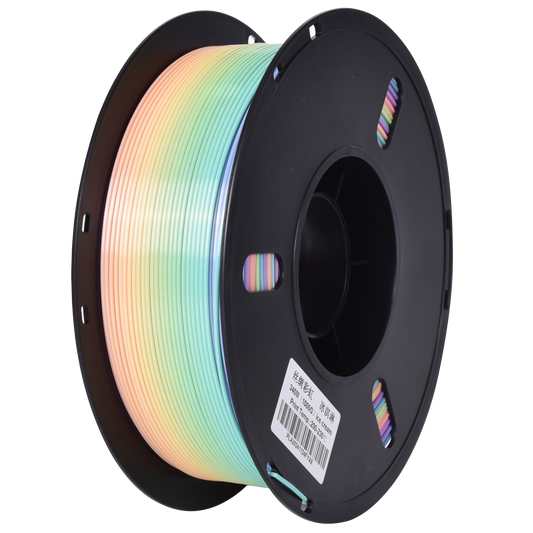
PLA Silk Rainbow - Ice Cream
Vendor:Supplier 3Regular price $24.99 AUDRegular priceUnit price perinc GSTSale price $24.99 AUDPreorder -
PLA Silk Rainbow - Light Blue-Light Red
Vendor:Supplier 3Regular price $24.99 AUDRegular priceUnit price perinc GSTSale price $24.99 AUD -
PLA Silk Rainbow - Pink-Purple
Vendor:Supplier 3Regular price $24.99 AUDRegular priceUnit price perinc GSTSale price $24.99 AUD -
PLA Silk Rainbow - Red
Vendor:Supplier 3Regular price $24.99 AUDRegular priceUnit price perinc GSTSale price $24.99 AUD -
PLA Silk Rainbow - Sunset Glow
Vendor:Supplier 3Regular price $24.99 AUDRegular priceUnit price perinc GSTSale price $24.99 AUD -
PLA Silk Rainbow - Universe
Vendor:Supplier 3Regular price $24.99 AUDRegular priceUnit price perinc GSTSale price $24.99 AUD -
PLA Silk Rainbow - Yue Hua
Vendor:Supplier 3Regular price $24.99 AUDRegular priceUnit price perinc GSTSale price $24.99 AUD













What Makes Rainbow and Gradient PLA Different
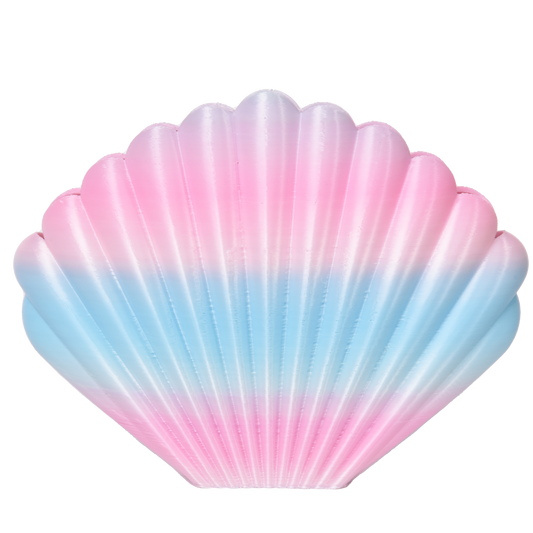
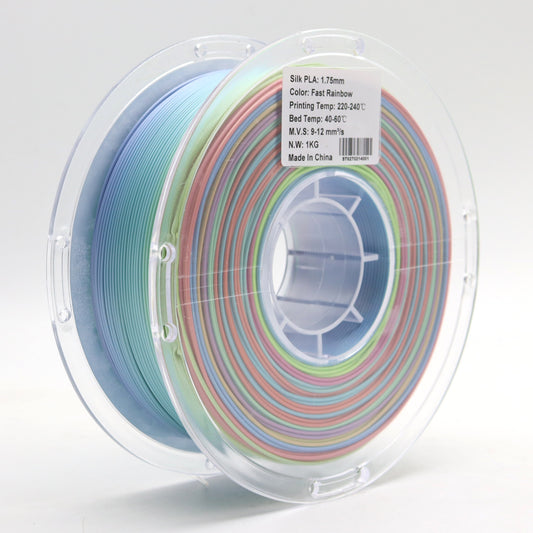
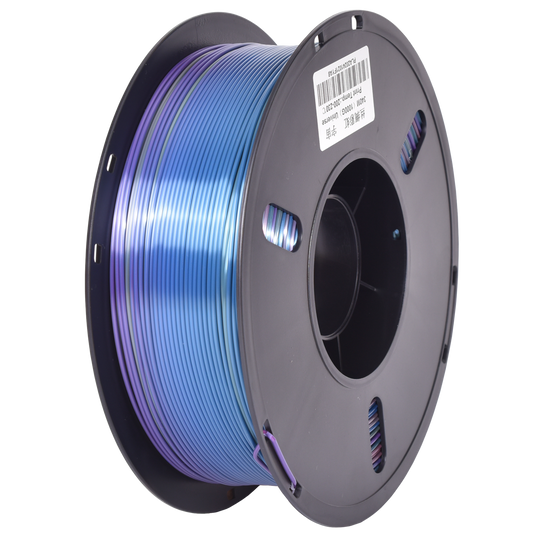
These filaments transition through a spectrum of colours as the print progresses, producing a finish that cannot be replicated with single-colour spools. Whether you run a 3D printing business or print at home, rainbow and gradient PLA delivers a high-impact result using the same process as any standard PLA filament
The defining feature of gradient PLA is the colour transition itself. Some spools shift quickly through hues, which is ideal for smaller models where you want visible change across every few layers. Others move slowly, producing a long, smooth bleed from one shade to the next across tall prints. Both styles use standard PLA chemistry, so print temperature, bed adhesion, and layer bonding behave exactly as expected. There is no trade-off between the visual effect and print reliability.
Best Uses for Rainbow and Gradient PLA
Rainbow PLA works especially well for vase mode prints, articulated figures, and decorative models where the geometry itself becomes part of the display. The colour shift follows the length of the strand, so each print comes out slightly different depending on where the spool starts. Every piece gets a one-of-a-kind finish straight off the build plate.
How It Compares to Other Specialty PLA Options
For a simultaneous multi-colour blend within a single layer, PLA Tri Colour Filament produces a different kind of finish where multiple shades appear across the same cross-section. For a high-gloss, shimmering effect rather than a colour transition, PLA Silk Filament and Matte PLA Filament offer distinct surface finishes in solid colours. Rainbow and gradient PLA sits between these options, delivering movement and depth without requiring a multi-extruder setup or post-processing.
Shipping and Support
FilamentHub stocks rainbow and gradient PLA at competitive prices with same-day dispatch and local pickup. Contact us if you need help selecting the right spool for your project.