
-
PLA Dual Silk - Black / Purple
Vendor:Supplier 3Regular price $24.99 AUDRegular priceUnit price perinc GSTSale price $24.99 AUD -
PLA Dual Silk - Blue / Golden
Vendor:Supplier 3Regular price $24.99 AUDRegular priceUnit price perinc GSTSale price $24.99 AUD -
PLA Dual Silk - Blue / Red
Vendor:Supplier 3Regular price $24.99 AUDRegular priceUnit price perinc GSTSale price $24.99 AUD -
PLA Dual Silk - Blue / Silver
Vendor:Supplier 3Regular price $24.99 AUDRegular priceUnit price perinc GSTSale price $24.99 AUD -
PLA Dual Silk - Dark Blue / Dark Green
Vendor:Supplier 3Regular price $24.99 AUDRegular priceUnit price perinc GSTSale price $24.99 AUD -
PLA Dual Silk - Gold / Red
Vendor:Supplier 3Regular price $24.99 AUDRegular priceUnit price perinc GSTSale price $24.99 AUD -

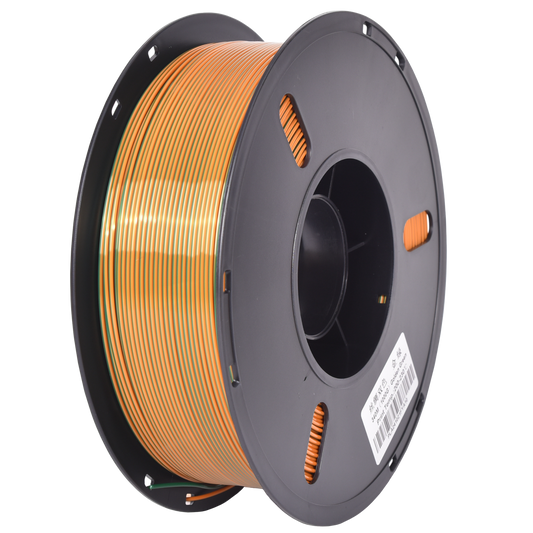 Preorder
PLA Dual Silk - Golden / Green
Vendor:Supplier 3Regular price $24.99 AUDRegular priceUnit price perinc GSTSale price $24.99 AUDPreorder -

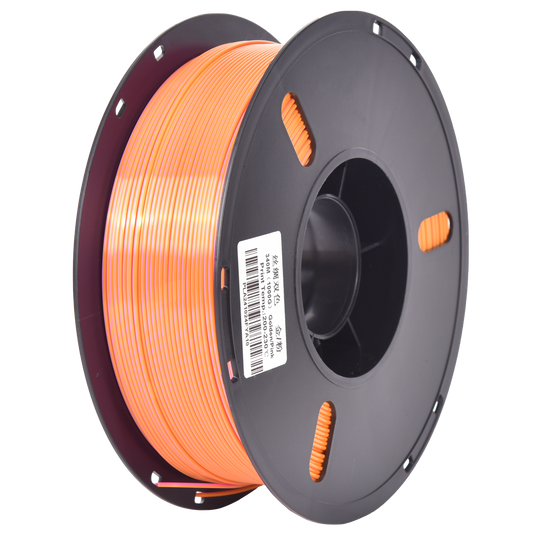 Preorder
PLA Dual Silk - Golden / Pink
Vendor:Supplier 3Regular price $24.99 AUDRegular priceUnit price perinc GSTSale price $24.99 AUDPreorder -
PLA Dual Silk - Golden / Purple
Vendor:Supplier 3Regular price $24.99 AUDRegular priceUnit price perinc GSTSale price $24.99 AUD -
PLA Dual Silk - Red / Black
Vendor:Supplier 3Regular price $24.99 AUDRegular priceUnit price perinc GSTSale price $24.99 AUD -
PLA Dual Silk - Silver / Black
Vendor:Supplier 3Regular price $24.99 AUDRegular priceUnit price perinc GSTSale price $24.99 AUD -
PLA Dual Silk - Yellow / Green
Vendor:Supplier 3Regular price $24.99 AUDRegular priceUnit price perinc GSTSale price $24.99 AUD

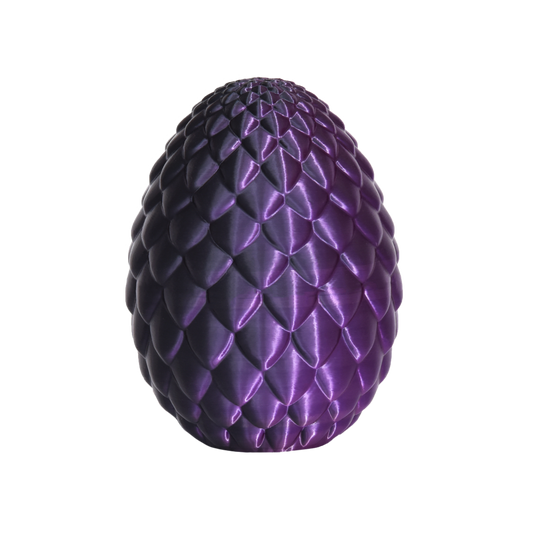

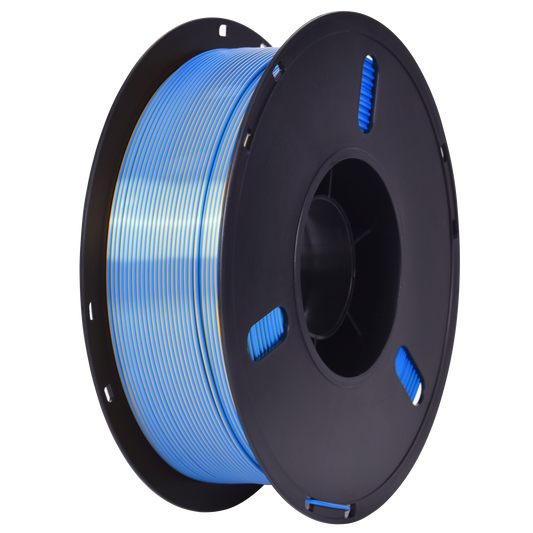

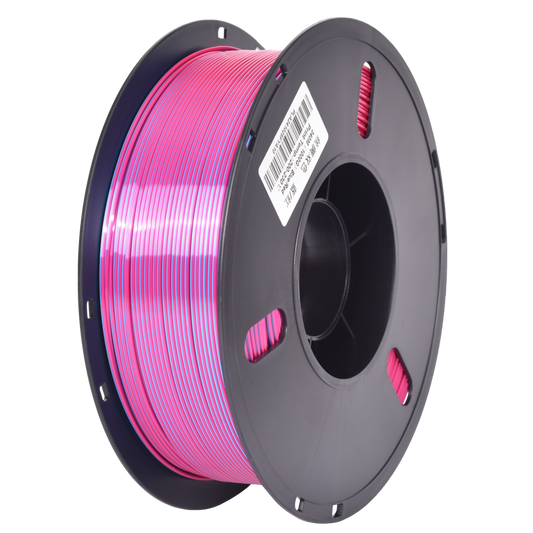

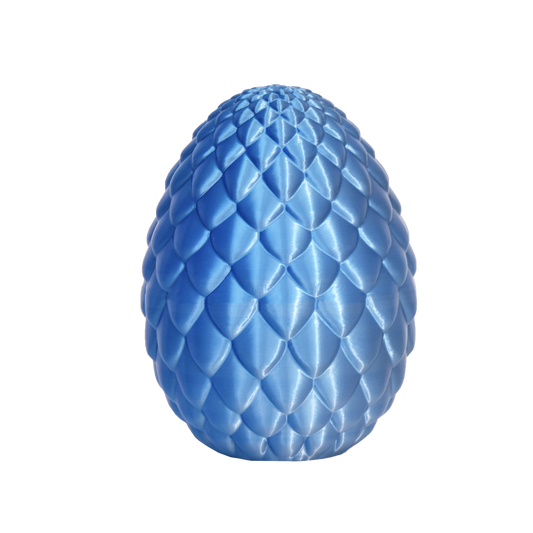

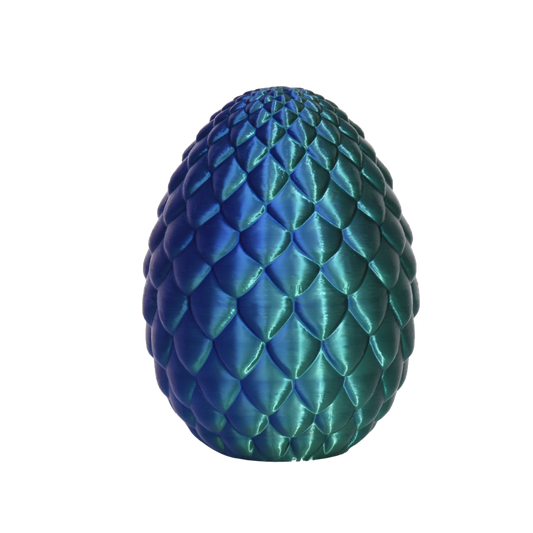

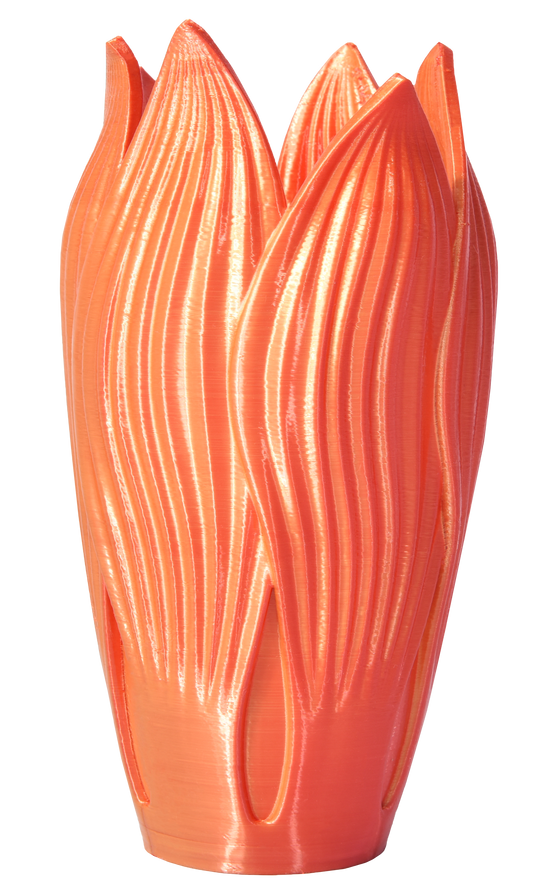


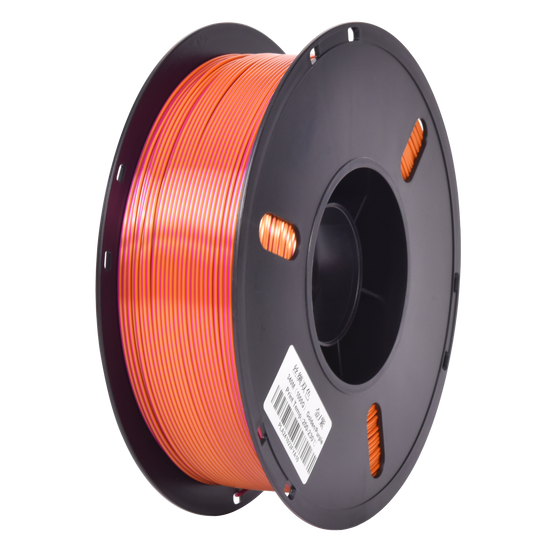

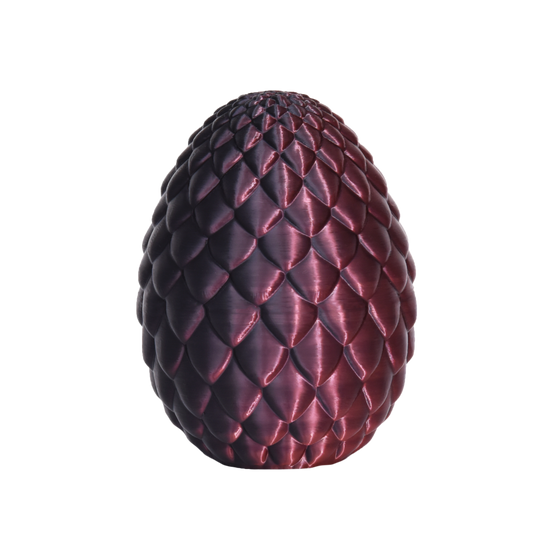

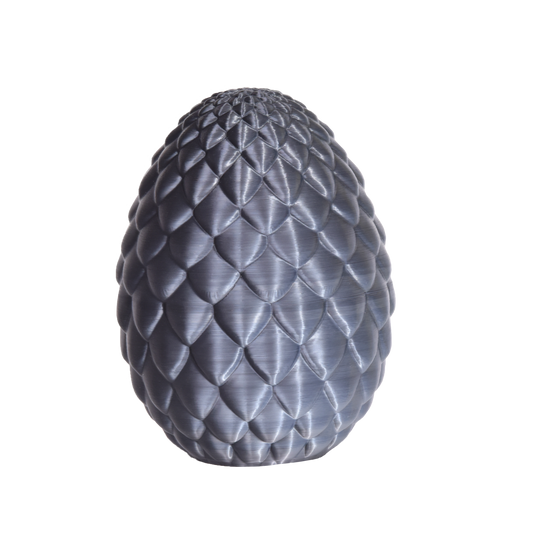

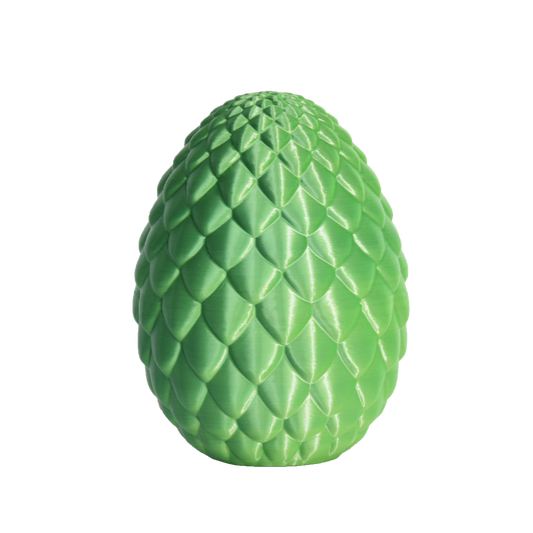
Depending on model orientation and lighting, prints display a striking split-tone effect with a premium silk sheen straight off the printer — no painting or post-processing required.
Why Choose PLA Dual Silk Filament?
- Dual colour effect with smooth silk finish
- Glossy surface that enhances colour contrast
- Easy to print like standard PLA
- Strong layer adhesion and reliable extrusion
Applications
PLA Dual Silk filament is ideal for vases, decorative prints, cosplay props, display models, and artistic designs where colour and finish are key.
Printer Compatibility
Our 1.75mm PLA Dual Silk filament is optimised for smooth extrusion and consistent results. Compatible with Bambu Lab, Prusa, Creality Ender, and most FDM 3D printers.
Performance Benefits
- Creates two-colour prints from a single filament spool
- Produces unique colour shifts depending on viewing angle
- Excellent surface finish with minimal post-processing
- Reliable printability comparable to standard PLA
Explore More Multicolour Options
Looking for other styles? Try PLA Tri Colour filament for multi-tone transitions, PLA Dual Matte filament for a softer finish, or explore PLA Rainbow and Gradient filament.
All PLA Dual Silk filament ships fast from Australia, with same-day processing for reliable delivery.