
-

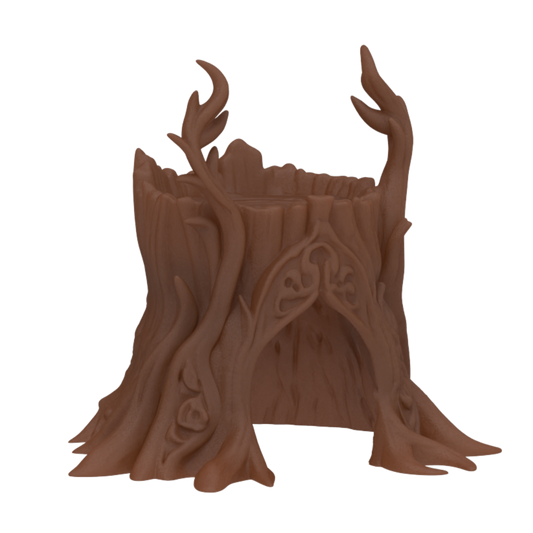 Preorder
PLA Wood - Black walnut
Vendor:Supplier 3Regular price $24.99 AUDRegular priceUnit price perinc GSTSale price $24.99 AUDPreorder -

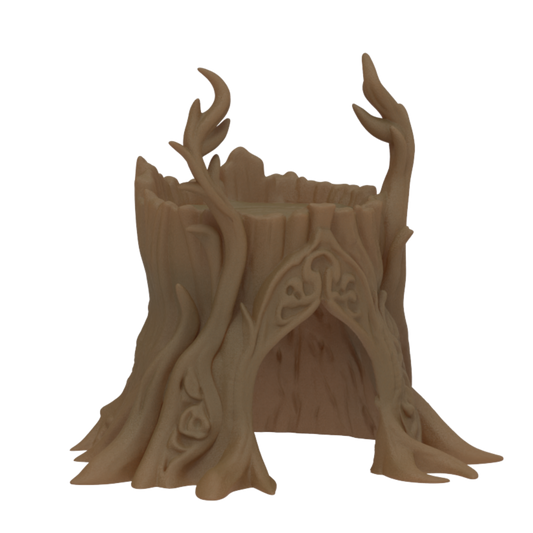 Preorder
PLA Wood - Cherry
Vendor:Supplier 3Regular price $24.99 AUDRegular priceUnit price perinc GSTSale price $24.99 AUDPreorder -

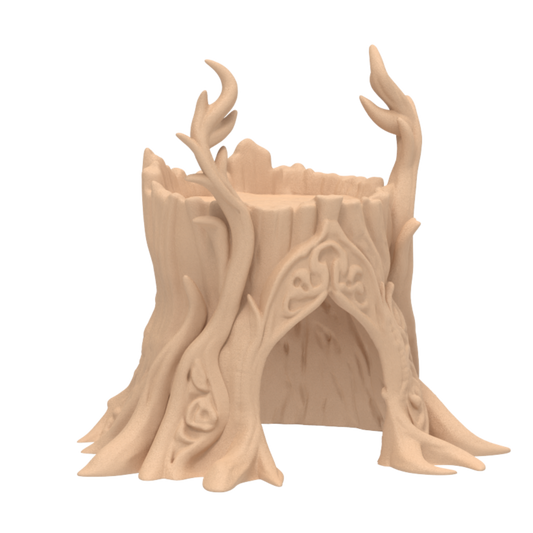 Preorder
PLA Wood - Light Wood
Vendor:Supplier 3Regular price $24.99 AUDRegular priceUnit price perinc GSTSale price $24.99 AUDPreorder -
PLA Wood - Natural
Vendor:FilamentHubRegular price $23.99 AUDRegular priceUnit price perinc GSTSale price $23.99 AUD -
PLA Wood - Red Oak
Vendor:Supplier 3Regular price $24.99 AUDRegular priceUnit price perinc GSTSale price $24.99 AUD -
PLA Wood - Walnut
Vendor:FilamentHubRegular price $23.99 AUDRegular priceUnit price perinc GSTSale price $23.99 AUD


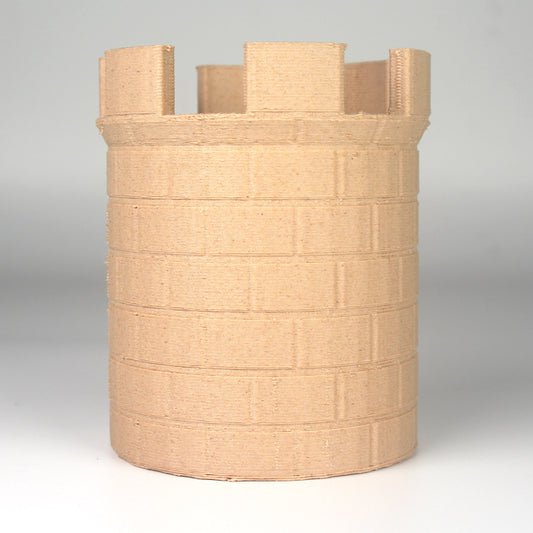


Why Choose PLA Wood?
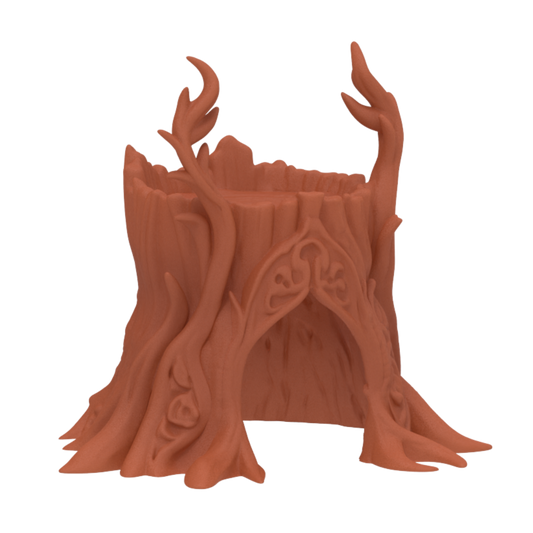
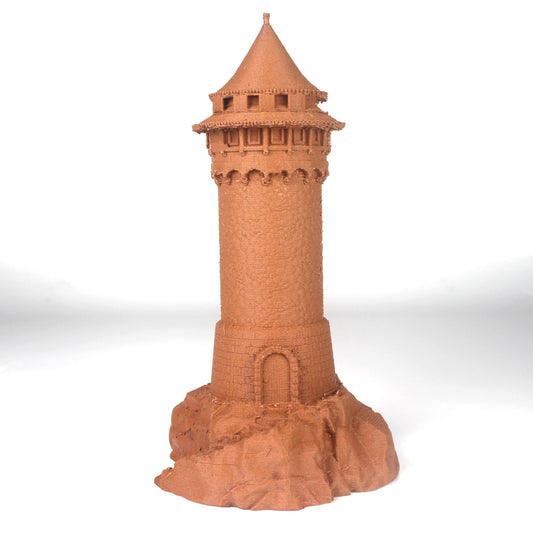
The appeal is simple: prints that do not look 3D printed. The timber particles give a soft matte grain that hides layer lines better than any standard PLA, and the surface responds to sandpaper, wood stain and Danish oil the way MDF does.
- Genuine wood finish, not a wood-coloured plastic. The texture is visible and tactile
- Sand, stain and oil your prints for a hand-crafted look straight off the printer
- Temperature controls the tone: print hotter for a darker, more rustic shade
- Honest trade-off: the wood fill makes it a little more brittle than standard PLA, so it suits display pieces over load-bearing parts
What Prints Suit PLA Wood Best?
PLA Wood shines on anything that sits on a shelf, a desk or a wall. It is at its best when the model has some surface area to show off the grain:
- Planters, vases, bowls and coasters
- Signs, plaques and engraved name plates
- Architectural models and terrain
- Chess pieces, ornaments and figurines
- Cosplay props with a carved or rustic look
Skip it for thin-walled functional parts, clips or brackets. The added brittleness means those jobs belong to PLA Pro or PETG.
PLA Wood vs Marble vs Matte
These three are the usual shortlist when you want prints that hide layer lines and do not look like glossy plastic. Here is how we separate them on our own printers:
- PLA Wood: the only one you can sand and stain. Choose it when the finished piece should pass as timber
- PLA Marble: speckled stone effect with zero post-processing. Prints like standard PLA through a 0.4mm nozzle with no clog concerns
- PLA Matte: flat, even colour and the easiest of the three to print. Pick it when you want the layer-hiding finish in solid colours rather than a natural texture
Printer Compatibility and Our Settings
Our 1.75mm PLA Wood runs on any FDM printer that handles PLA, including Bambu Lab, Prusa, Creality and Anycubic machines. We print our samples on the Bambu Lab X1C, P2S and H2C with these settings:
- Nozzle: 200 to 215°C. Around 200°C keeps the tone light, 215°C darkens it noticeably
- Bed: 55 to 60°C on textured PEI, no glue needed
- Walls and layers: 3 walls, 0.16mm layers for display pieces where the grain matters, 0.2mm for larger decor
- Nozzle size: 0.6mm is the safe choice. A 0.4mm works if you keep retractions modest and never leave the hotend idle and hot, as parked wood filament chars and clogs
- Speed: moderate. We cap outer walls around 100mm/s rather than running full Bambu speeds
Complete the Setup
Running a 0.4mm nozzle? Grab a 0.6mm hot end nozzle for a few dollars and save yourself the clog troubleshooting. For finishing, our tools and finishing supplies cover sanding and post-processing, and wood filament is hygroscopic, so if a spool has been sitting out, our filament drying guide will get it printing cleanly again.
After a different finish? Compare PLA Marble, PLA Matte or the full PLA range.
All PLA Wood filament ships fast from our Sydney warehouse, with quick processing and reliable Australia-wide delivery.